Early Intervention

Starting Support at the Right Time

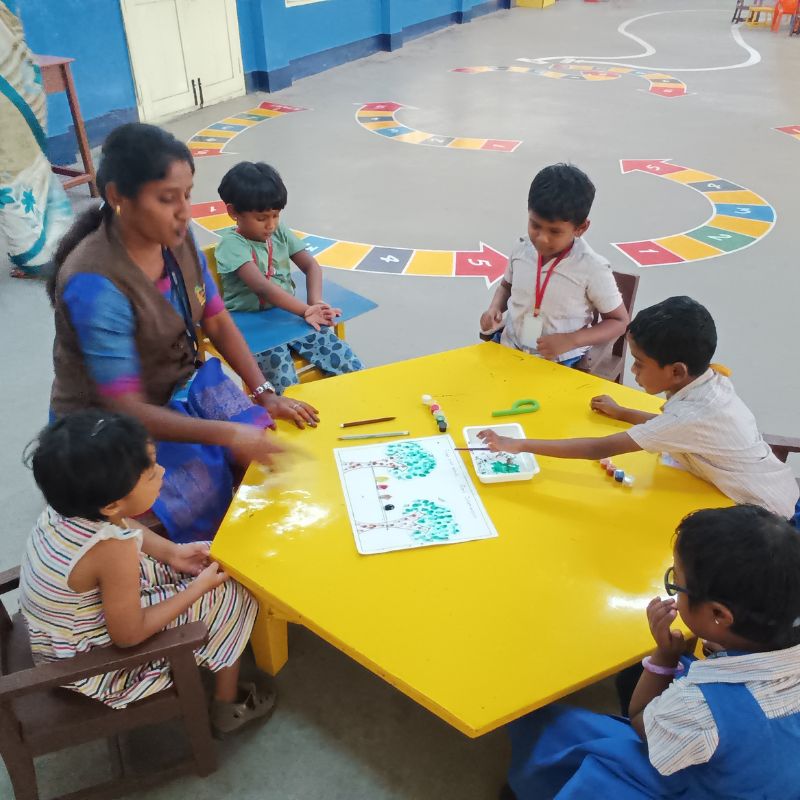
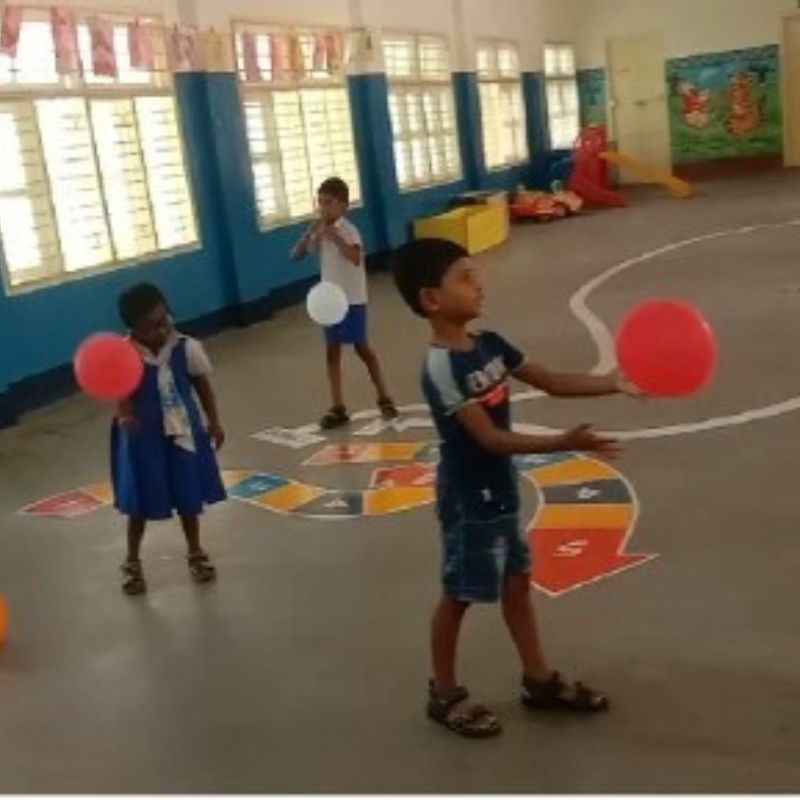
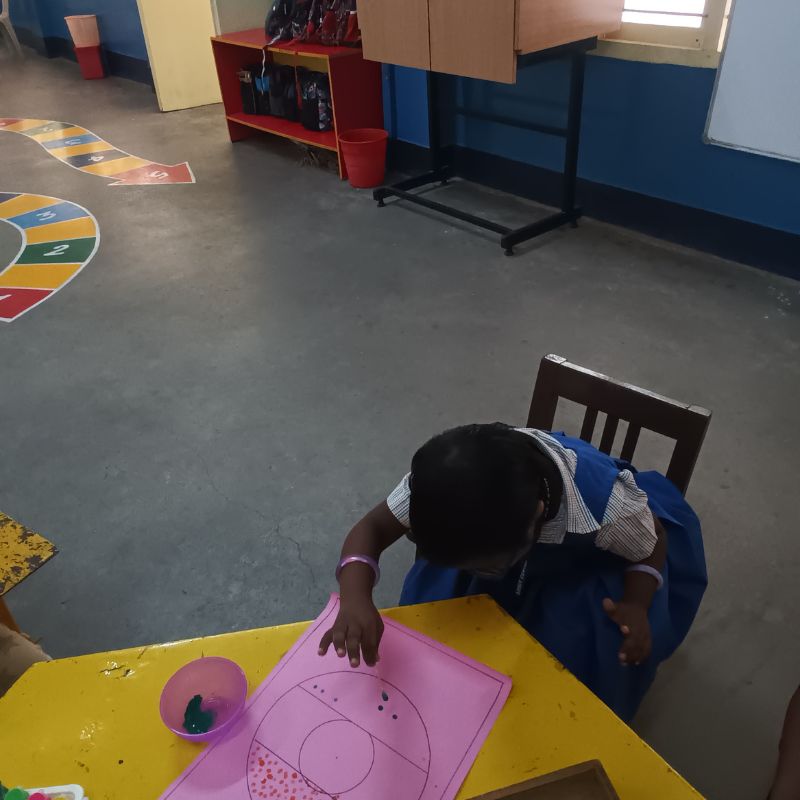
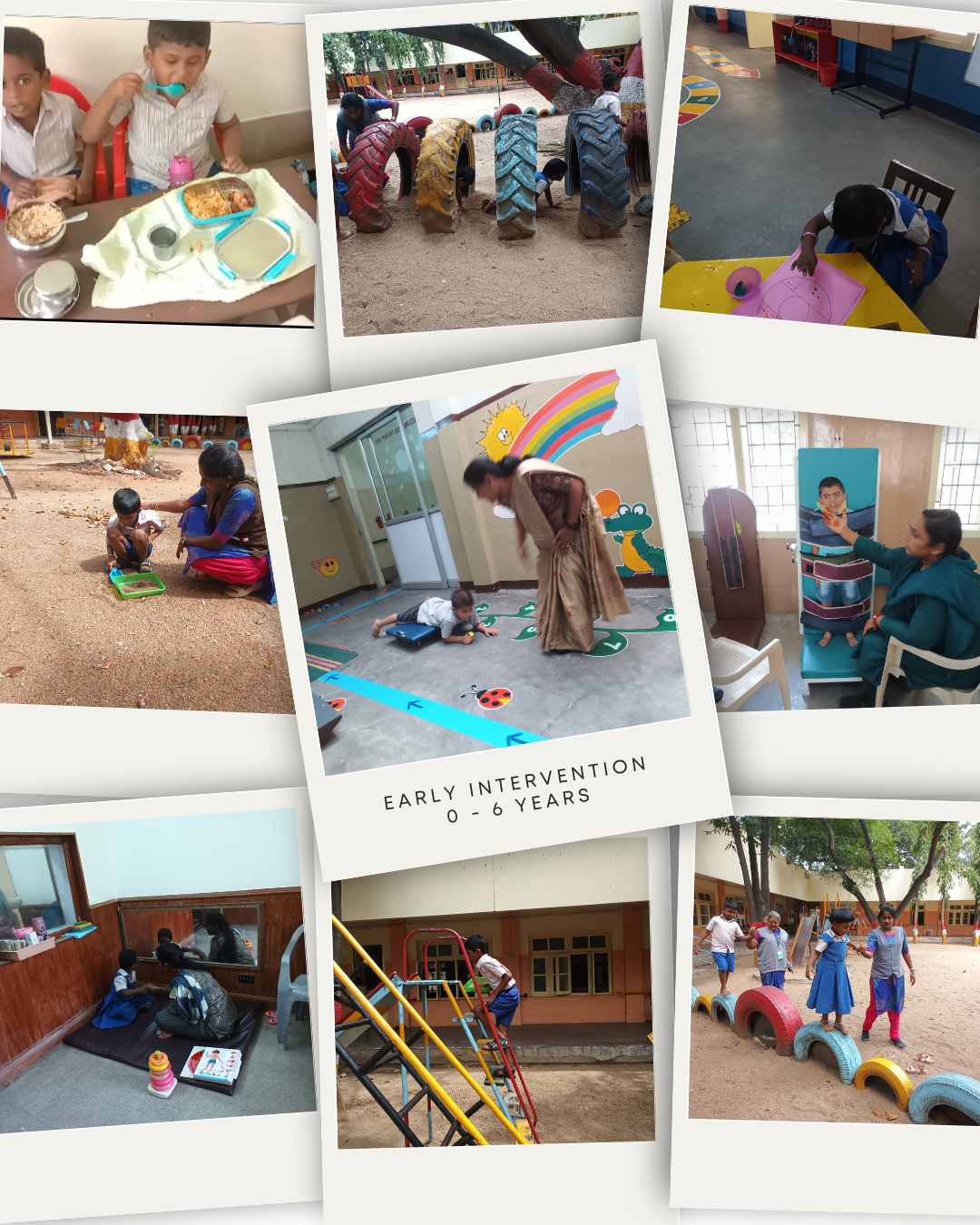
Early Intervention focuses on identifying developmental delays at the earliest stage and providing structured therapeutic support during the critical early years (0–6 years).

Through developmental assessments and individualised intervention plans, we work on:

  • Motor development
  • Communication skills
  • Cognitive readiness
  • Social engagement

Early, structured therapy significantly improves long-term learning outcomes and reduces the severity of functional challenges. Our goal is to prepare young children for smoother transition into structured educational settings.

Impact Focus:

  • Early developmental assessments conducted annually: 15
    Individualised Educational programme prepared for each child

    Quarterly, Half yearly and Annual assessments and evaluation done : 10 to 15 children.
  • Children mainstreamed or transitioned to structured schooling: 

    After identifying special focus and training provided in reading, writing and number concepts.

    6 children mainstreamed /structured schooling in the last 10 years.
What We Offer

Our multidisciplinary team delivers a range of therapeutic services tailored to the unique needs of every child:

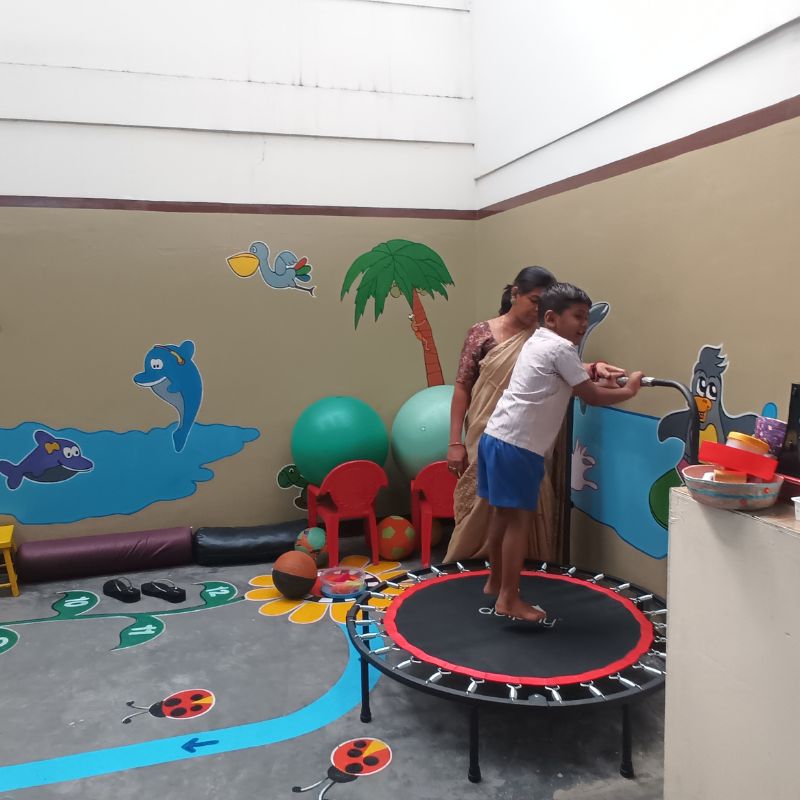
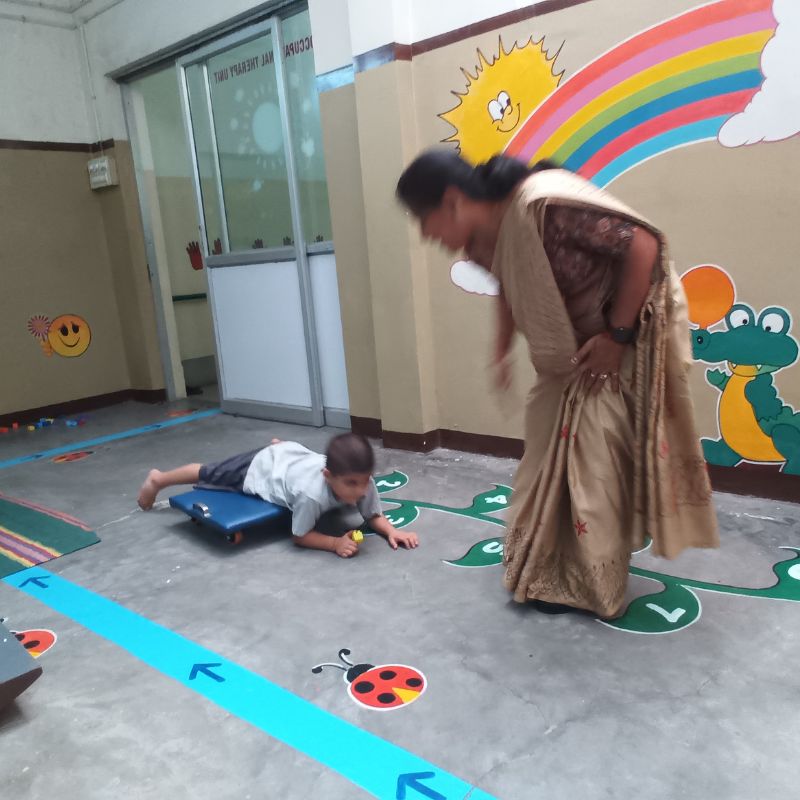
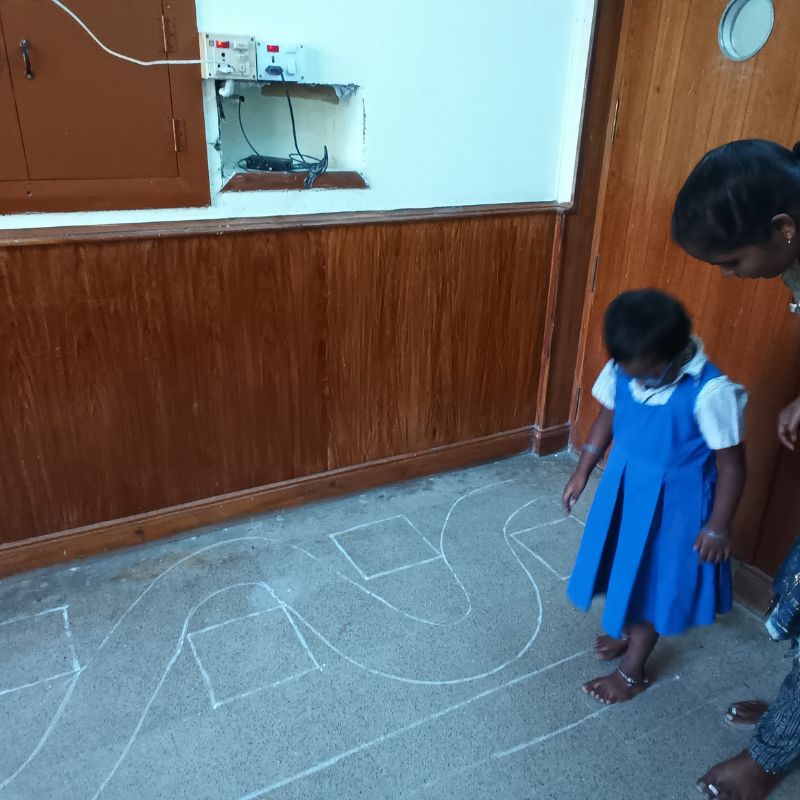
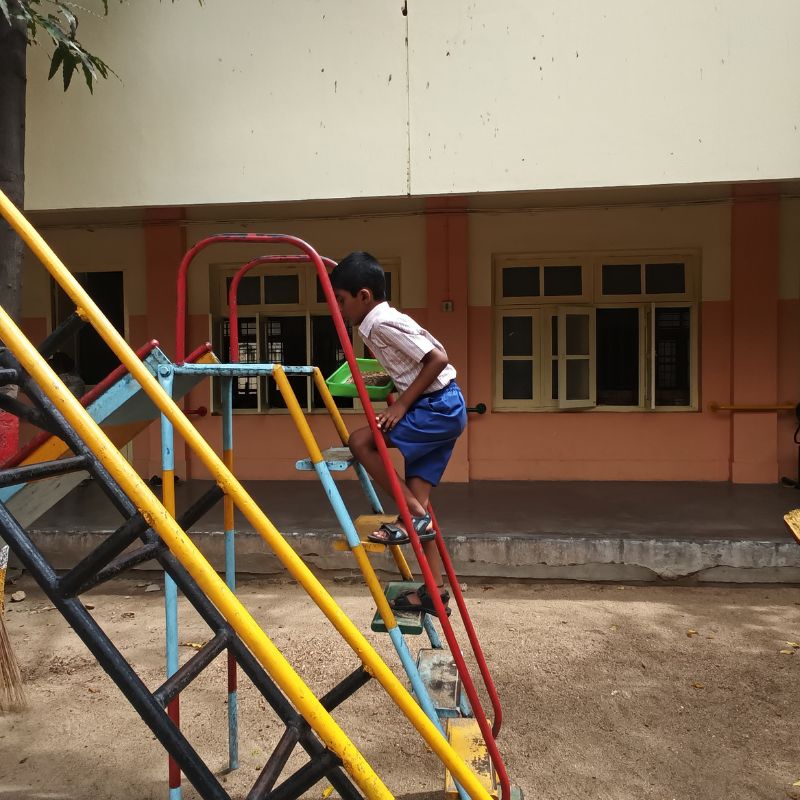
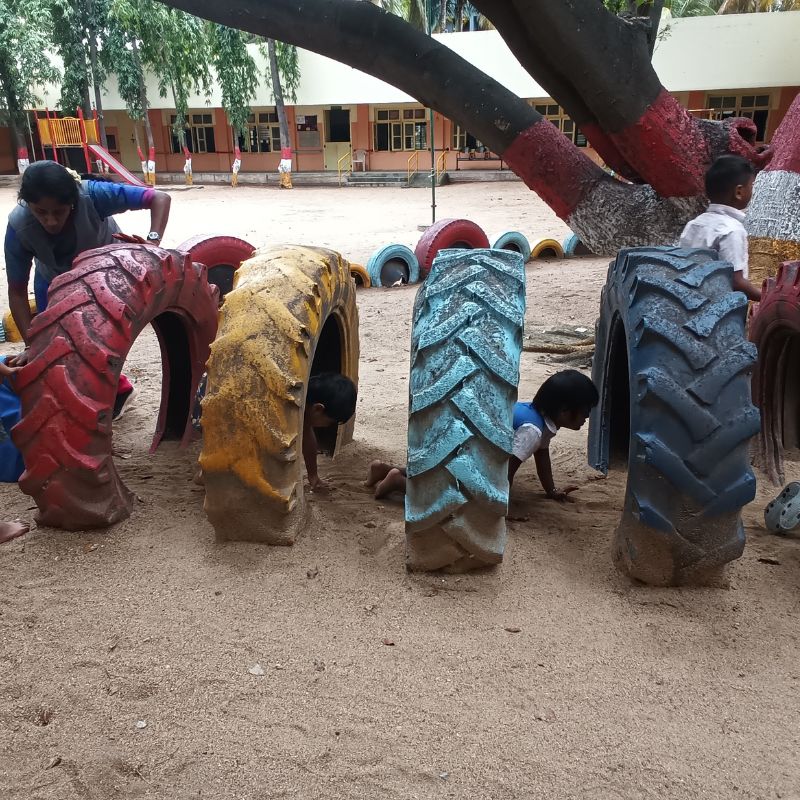
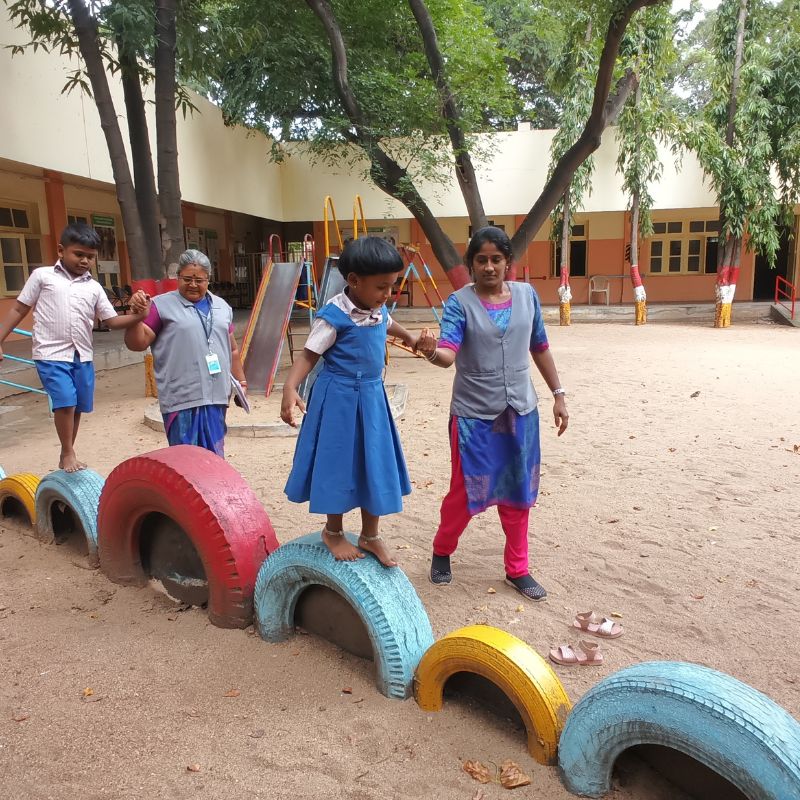
Enhances physical development and improves gross motor skills such as walking, balancing, crawling, and running.

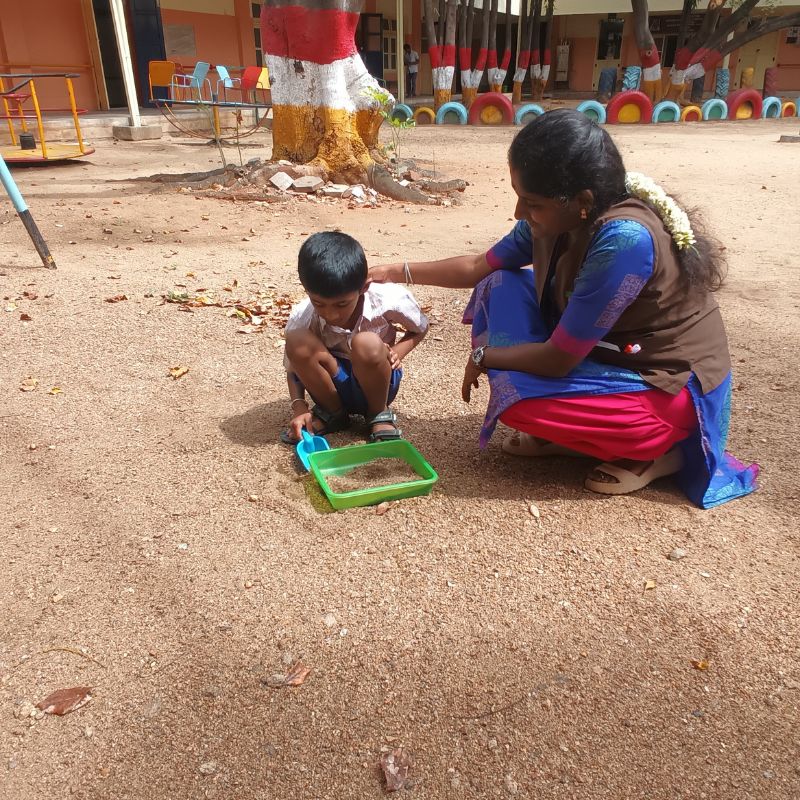
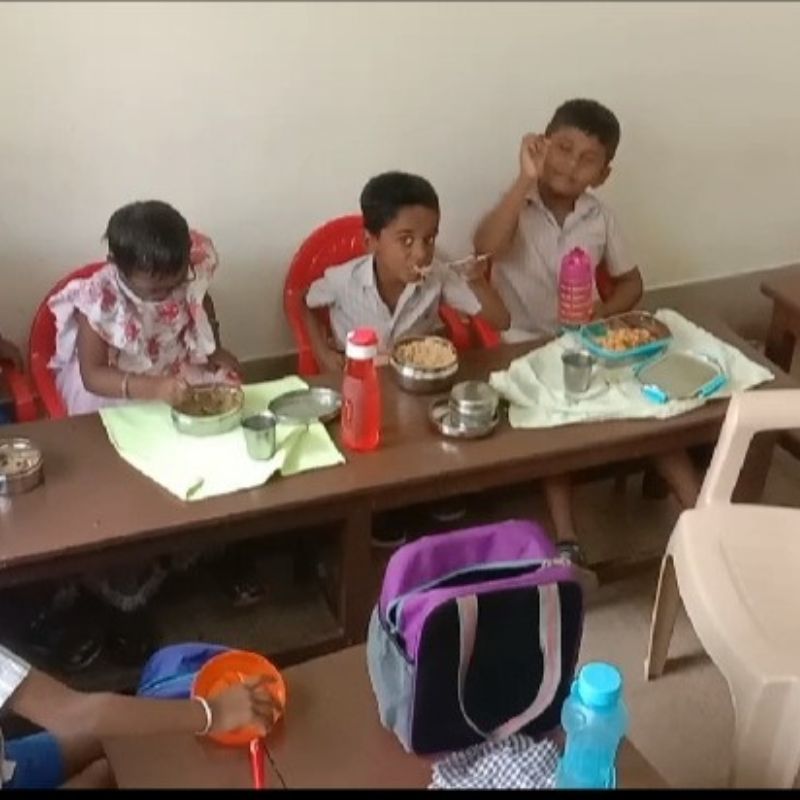
Develops fine motor skills, eye–hand coordination, sensory processing, and essential daily living skills like dressing, feeding, writing, and gripping. It also prepares children for future academic and vocational tasks.

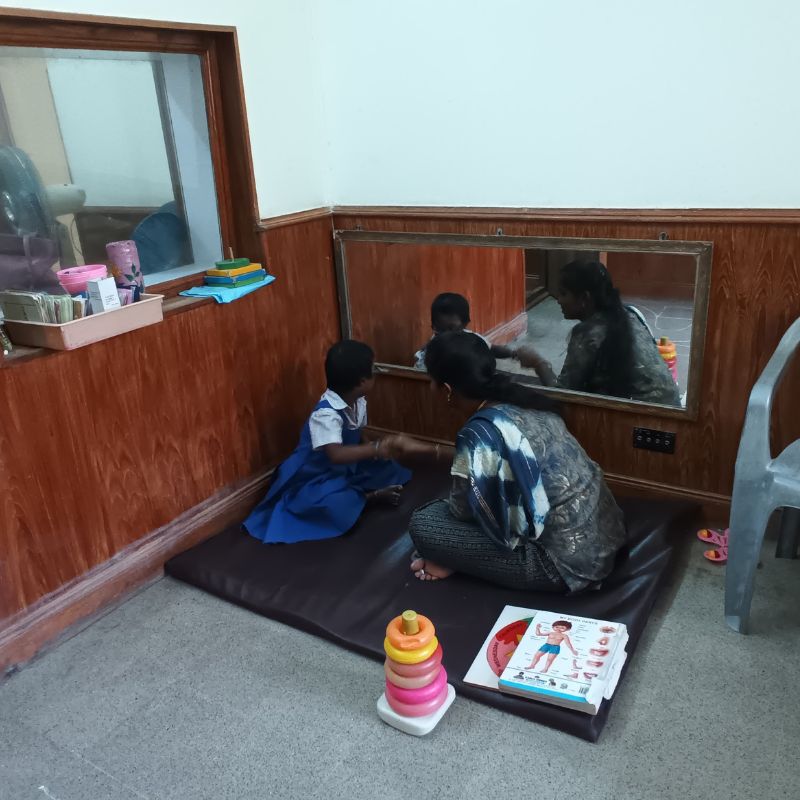
Improves communication abilities including speech clarity, language comprehension, verbal expression, and social communication.

Behavioural Therapy

Helps bring about positive behavioural changes, improves attention, emotional regulation, and strengthens social interaction skills.

Scroll to Top

PHYSIOTHERAPY

Improving Movement and Physical Independence

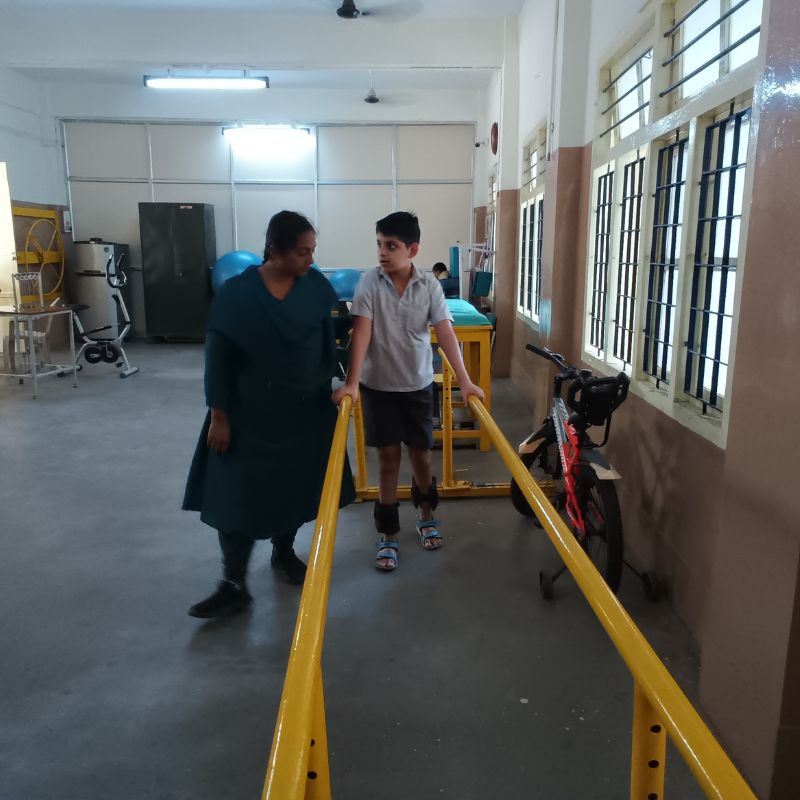
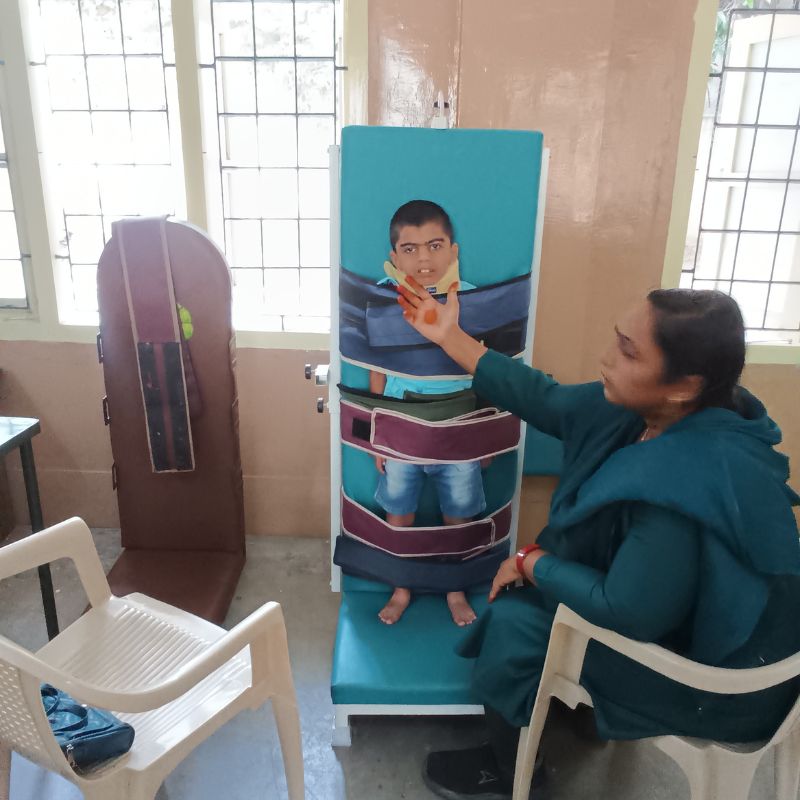
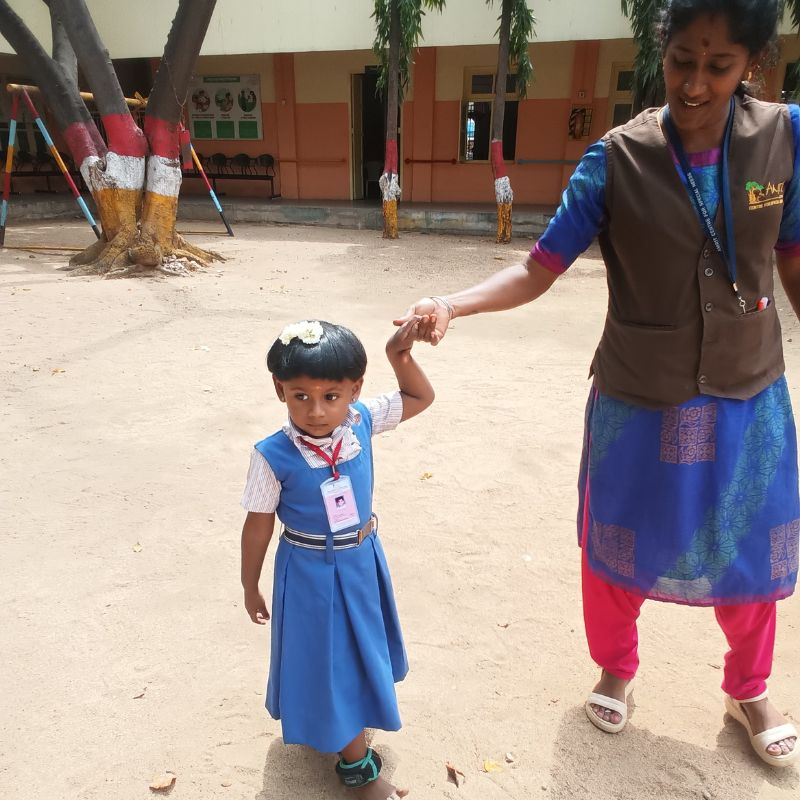
Physiotherapy supports children with physical disabilities, neuromuscular conditions and motor delays. The focus is on improving strength, balance, coordination and mobility.

Therapy sessions are structured to:

  • Enhance gross motor function
  • Improve posture and gait
  • Increase joint flexibility and muscle strength
  • Support assistive device training where required

Improved mobility enables children to participate more actively in school routines and daily life.

Impact Focus:

  • Children receiving physiotherapy annually:  
    13 to 15 children on daily basis 
  • Measurable improvement in mobility benchmarks: 
    More than 50% of children achieving the next level of functioning from the current stage.

OCCUPATIONAL THERAPY

Building Functional Daily Living Skills

Occupational Therapy helps children develop the fine motor, sensory and adaptive skills required for everyday functioning.

Interventions focus on:

  • Hand function and fine motor coordination
  • Sensory integration
  • Self-care tasks (buttoning, writing, feeding)
  • Classroom readiness skills

The objective is to increase independence in daily routines and enhance participation in both home and school environments.

Impact Focus:

  • Improvement in fine motor task completion: 

Able to achieve enhanced independence in self and other environments

Hyper active children showing considerable improvement in their attention, concentration and performance levels

  • Students achieving age-appropriate functional milestones: 

About 40% of the children are achieving functional milestones in a year or two through daily therapies.

Speech Therapy and Behavioural therapy

Strengthening Communication and Expression

Speech Therapy addresses speech delays, language disorders, articulation challenges and alternative communication needs.

Therapy supports:

  • Verbal communication
  • Receptive and expressive language
  • Pronunciation and clarity
  • Use of communication aids where necessary

Improved communication reduces frustration, strengthens social interaction and enhances academic participation.

Impact Focus:

  • Children receiving speech therapy annually: 

13 to 15 children on daily basis

Measurable improvement in expressive communication skills: 

Children below 8 years showing more improvement in both expressive and receptive skills.

Older children exhibiting better receptive skills than expressive